
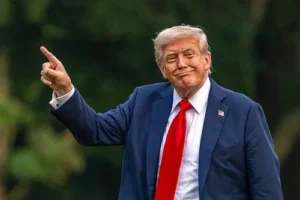
To reaffirm his economic strategy, President Donald Trump signed an executive order imposing a new 10% tariff on imports, despite a significant setback from the US Supreme Court. The decision to impose these new duties follows a high court ruling that struck down Trump’s authority to impose unilateral tariffs under a 1977 law, leading to a dramatic clash between the executive and the judiciary.
What happened:
On February 19, 2026, Trump’s administration announced that the new tariffs would take effect from February 24 with a period of 150 days. The tariffs will affect a wide variety of goods, although some sectors, such as pharmaceuticals, along with imports under the US-Mexico-Canada Agreement, are exempt due to the ongoing investigation. The tariffs are part of Trump’s ongoing efforts to influence global trade and put pressure on countries he considers adversaries or economic competitors.
This new tariff initiative came despite a decision earlier in the day by the US Supreme Court, which determined that the 1977 International Emergency Economic Powers Act (IEEPA) does not give the President the authority to impose such sweeping tariffs. The court’s 6-3 decision marked a major legal defeat for Trump, who has relied heavily on these powers to justify his trade policies over the past several years.
Trump’s disappointment with this decision was clear. “I am ashamed of some members of the court,” he said, suggesting without evidence that foreign interests had influenced the decision. However, he remained defiant, insisting that the decision had, paradoxically, made him “more powerful” in pursuing his economic agenda.
Global reactions and potential impacts:
This decision has created a stir in the global business community. Wall Street experienced a modest rise in response to the decision, a sign of relief from business groups that have long been pushing for greater certainty in trading practices. The National Retail Federation welcomed the decision, saying it would bring stability to business operations, especially for importers who were struggling with the unpredictability of Trump’s tariff policies.
While the Supreme Court’s decision prevented Trump from imposing new tariffs under the IEEPA, his administration was still allowed to maintain sector-specific tariffs on goods such as steel and aluminum. However, the legal outcome on tariff-related refunds remains uncertain. The court did not rule on whether companies could expect refunds for tariffs deemed unlawful, setting the stage for years of potential litigation. A University of Pennsylvania budget model estimates the decision could lead to up to $175 billion in refunds, further complicating the legal landscape.
Domestic and International Pressure:
As the fallout from the decision continues, domestic leaders including California Governor Gavin Newsom and Senator Elizabeth Warren have called for swift action to ensure refunds for businesses and consumers who were affected by the now-announced unlawful tariffs. Newsom, in particular, has demanded immediate refunds with interest, referring to the tariffs as an “illegal cash grab.”
In response to the ruling, foreign governments, particularly in Europe, India and Canada, have begun to reevaluate their trade relations with the U.S. Canada, in particular, has already faced tariff-related tensions for years under Trump and is preparing for a potential new strategy. “Canada should prepare for new, blunt mechanisms to be used to ramp up trade pressure again,” said Candace Lange, president of the Canadian Chamber of Commerce.
Looking ahead:
While the Supreme Court’s decision marked a significant moment for Trump’s trade policies, the president’s response signals his determination to continue using tariffs as a tool of foreign policy. Whether these new tariffs will have a lasting impact on the global economy remains to be seen, but they reflect the administration’s ongoing commitment to reshaping trade relationships. As the legal battle unfolds, the long-term consequences of this tariff saga will shape future global economic dynamics and the balance of power within international trade agreements.