
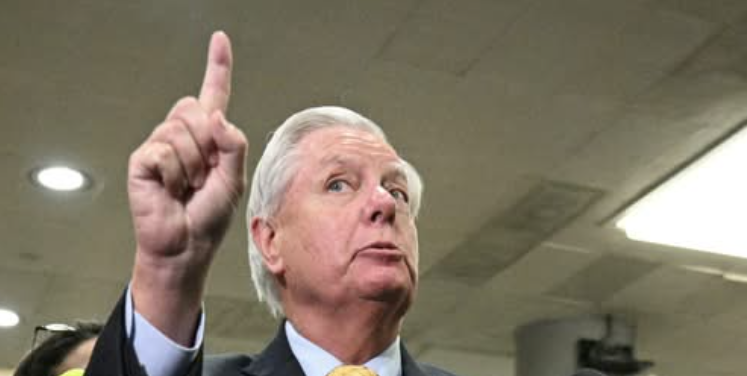
A geopolitical gamble: war and energy tensions
As the conflict between the United States, Israel, and Iran intensifies, U.S. Senator Lindsey Graham’s recent comments on the economic potential of war are raising both support and concern. In a discussion on Fox News, Graham suggested that if the regime in Iran collapses, it could pave the way for significant financial gains for the US, especially in terms of controlling the region’s vast oil resources.
Graham, a fiery Republican from South Carolina, emphasized that Venezuela and Iran have about 31% of the world’s oil reserves, and gaining access to those resources would put the U.S. in a dominant position. “This is China’s nightmare. This is a good investment,” he said. He further said that the war would continue to escalate in the coming weeks. His comments influenced both supporters and critics of American foreign policy.
Oil at the center of political power struggle
Graham’s statements shed light on the intertwined nature of global politics and natural resources. The Middle East, home to some of the world’s largest oil reserves, has long been a focal point of international diplomacy and conflict. If the US engages with oil-rich countries like Iran and Venezuela, it could change the balance of power, especially in terms of energy markets.
However, critics argue that the pursuit of resources can overshadow the humanitarian aspects of the conflict. Iran’s Foreign Ministry quickly reacted to Graham’s comments by accusing the US of attempting to gain control of Iran’s oil wealth, further escalating tensions between the two countries.
Iranian spokesman Esmail Baghai said, “The Americans are planning to divide our country and illegally take over our oil wealth.” “It would violate our sovereignty and undermine our humanity.”
increased risks
Graham’s suggestion that US-Israeli attacks would escalate and potentially lead to the collapse of Iran’s leadership raises significant concerns about the impact on civilian life and regional stability. As the conflict continues, many fear that the situation could lead to greater loss of life and increased instability in the Middle East.
However, Graham remains optimistic about the future and says that once the regime in Iran falls, the US and its allies will experience unprecedented peace in the region. The US administration has made it clear that its primary concern is to protect its interests in the region, particularly in the Strait of Hormuz, a key chokepoint for global oil shipments.
Global implications of war
As the war unfolds, there is increasing pressure on the US government to carefully balance military action with diplomatic efforts to avoid further escalation. The economic incentives highlighted by Graham will likely shape the future of US foreign policy, but the consequences for Iran and its people could be profound.
Looking Ahead: Will oil control change the course of the conflict?
America and its allies may intensify their military efforts in the coming weeks. With the possibility of new alliances and energy agreements, the broader question remains: will oil exploration ultimately bring peace, or will it lead to more violence and suffering in an already volatile region?
As this complex and developing story unfolds, the global community will be interested to see how the actions of nations seeking control over natural resources will shape the future of the Middle East – and whether peace can truly come after regime change.